
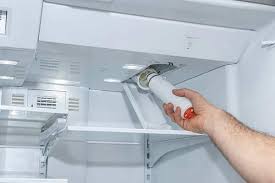
Nothing is more frustrating than reaching for ice and finding your Frigidaire ice maker completely dry. If you’ve been asking yourself, Why Is My Frigidaire Ice Maker Not Making Ice, it’s time to get to the bottom of the problem. Ice makers can stop working for a variety of reasons from clogged water lines to faulty components but identifying the cause is the first step toward a quick fix.
In this post, we’ll break down the common reasons your ice maker isn’t producing ice and share practical solutions to get it back in action.
Common Signs Your Ice Maker Isn’t Working
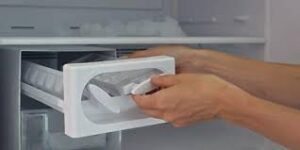
Ice makers are a modern convenience we often take for granted until they stop making ice. Whether you use your fridge for cocktails, smoothies, or simply to keep your drinks cold, a malfunctioning ice maker can quickly become frustrating. But how do you know if something is wrong before the ice pile starts shrinking? Here’s a detailed look at the common signs that your ice maker isn’t working as it should.
1. No Ice Production
The most obvious sign is when your ice maker simply stops producing ice. This could be due to a variety of reasons, from a clogged water line to a malfunctioning motor. If your ice bin is empty for longer than usual, it’s a clear signal to check the system.
2. Ice Cubes Are Small or Misshapen
When your ice cubes start coming out smaller, cracked, or oddly shaped, it often points to water supply issues or temperature inconsistencies in the freezer. Low water pressure or a partially blocked inlet valve can prevent the ice maker from filling the molds properly.
3. Water Leaks or Puddles Around the Ice Maker
If you notice water pooling inside or around your ice maker, it may be a sign of a blocked or cracked water line. Leaks can also occur if the ice maker’s tray isn’t aligned correctly. Ignoring this can lead to larger fridge problems, like freezer damage or mold growth.
4. Strange Noises
Ice makers do make some noise while operating, but loud clunks, grinding sounds, or continuous humming are warning signs. These sounds can indicate mechanical failures, such as a broken motor or jammed ice ejector.
5. Ice Sticks Together
When your ice cubes start clumping together, it can be due to improper freezing cycles or excess humidity inside the freezer. It may also mean that the ice maker isn’t cycling correctly, leaving cubes partially melted before refreezing.
6. Slow Ice Production
If your ice maker is producing ice much slower than usual, it could point to a weak water supply, a partially frozen water line, or an aging ice maker component. This slow output is a subtle but important sign that maintenance or repair is needed.
7. Error Lights or Alerts (for Digital Models)
Many modern Frigidaire and other brand ice makers have built-in diagnostic systems. Error codes or blinking lights can help you identify the problem early, from water supply issues to internal sensor malfunctions.
Recognizing the signs that your ice maker isn’t working can save you time, money, and unnecessary frustration. From missing ice to unusual noises, each warning signal tells you that your appliance needs attention. By catching problems early, you can prevent minor issues from turning into costly repairs ensuring your ice maker keeps delivering perfectly frozen cubes, every time.
Top Reasons Why Your Frigidaire Ice Maker Is Not Making Ice
Few things are more frustrating than opening your freezer and realizing your Frigidaire ice maker isn’t producing ice. Ice makers are supposed to be a hassle-free convenience but when they stop working, it can disrupt your daily routine. Understanding why this happens can help you troubleshoot and fix the problem before calling a technician. Below are the top reasons why your Frigidaire ice maker might not be making ice.
1. Water Supply Issues
The most common culprit is a problem with the water supply. If the ice maker isn’t getting enough water, it won’t produce ice. Check the water line for kinks, clogs, or frozen sections. Sometimes, the water inlet valve can fail, preventing water from entering the ice maker.
2. Freezer Temperature Is Too High
Your ice maker needs a properly cold environment to function. The freezer should be at around 0°F (-18°C). If the temperature is higher, ice formation slows down or stops completely. Overstuffed freezers or faulty thermostats can also affect ice production.
3. Ice Maker Switch Is Turned Off
It might sound obvious, but sometimes the ice maker is simply turned off. Make sure the switch or lever on your Frigidaire ice maker is in the “on” position. Some models also have a digital control panel—check that the ice-making function is enabled.
4. Clogged or Frozen Water Line
Even if the water supply is working, a frozen or blocked water line can prevent water from reaching the ice tray. Ice makers with older water lines are especially prone to freezing, particularly in colder climates or when the freezer is set too low.
5. Faulty Ice Maker Components
Mechanical or electrical failures within the ice maker can stop production. This includes broken motors, defective sensors, or malfunctioning ejector arms. If your ice maker is making strange noises or producing incomplete cubes, a faulty component may be the cause.
6. Ice Bin Is Full or Misaligned
Some Frigidaire models automatically stop producing ice if the ice bin is full. Make sure the bin is correctly positioned and not overfilled. A misaligned bin can also prevent the ice maker from cycling properly.
7. Mineral Buildup or Scale
Hard water can lead to mineral deposits in the ice maker, clogging the water inlet or forming residue on the ice tray. Regular cleaning of your ice maker can prevent these issues and keep ice flowing smoothly.
8. Defective Water Inlet Valve
The water inlet valve controls water flow into the ice maker. If it’s defective, it may not open at all, or may open inconsistently. A multimeter test can confirm if the valve is working or needs replacement.
When your Frigidaire ice maker stops producing ice, it’s often due to water supply problems, temperature issues, or mechanical failures. By understanding these common causes, you can identify the problem quickly and take steps to fix it whether it’s adjusting the freezer temperature, clearing a frozen line, or replacing a faulty component. Regular maintenance and timely troubleshooting ensure your ice maker keeps producing perfect ice cubes, ready whenever you need them.
Step-by-Step Troubleshooting Guide

When your ice maker stops producing ice, it doesn’t always mean it’s broken. Often, simple issues can be fixed at home. Follow these step-by-step instructions to troubleshoot and get your Frigidaire ice maker back in action.
Step 1: Check the Ice Maker Switch
-
Ensure the ice maker is turned on.
-
On older models, look for a small lever; on newer models, check the digital control panel.
-
If it’s off, turn it on and wait 6–12 hours for ice production to resume.
Step 2: Inspect the Water Supply
-
Confirm that the water line is connected properly to your fridge.
-
Check for kinks, leaks, or clogs in the line.
-
Make sure your water supply valve is fully open.
Step 3: Check Freezer Temperature
-
Ideal freezer temperature: 0°F (-18°C).
-
If it’s warmer than that, adjust the thermostat.
-
Avoid overloading the freezer, as poor airflow can prevent ice formation.
Step 4: Examine the Ice Bin
-
Remove the ice bin and ensure it’s properly aligned.
-
If the bin is full, the ice maker may stop producing ice automatically.
-
Empty or reposition the bin if necessary.
Step 5: Inspect the Water Line for Freezing or Blockage
-
A frozen or clogged water line can prevent ice production.
-
If frozen, allow the line to thaw naturally (don’t use sharp objects).
-
For clogs, carefully clean the water inlet or replace the line if damaged.
Step 6: Look for Mechanical Issues
-
Listen for unusual noises like grinding, clicking, or humming.
-
Check the ice maker motor, ejector arm, and sensors for signs of damage.
-
If a component seems broken, you may need a replacement part.
Step 7: Check for Mineral Buildup
-
Hard water can cause scale and mineral deposits in the ice maker.
-
Clean the ice maker with a mixture of warm water and vinegar or a manufacturer-recommended cleaner.
-
Regular cleaning prevents blockages and ensures proper ice production.
Step 8: Test the Water Inlet Valve
-
The water inlet valve controls water flow into the ice maker.
-
If faulty, it won’t let water in or may leak.
-
Use a multimeter to test for continuity. Replace if defective.
Step 9: Reset the Ice Maker
-
Some Frigidaire models have a reset button or require unplugging the fridge for a few minutes.
-
This can restart the ice-making cycle and fix minor electronic glitches.
Step 10: Call a Professional if Needed
-
If all steps fail, the ice maker may have a serious mechanical or electrical problem.
-
Contact a licensed appliance technician or Frigidaire support to avoid causing further damage.
Following this step-by-step troubleshooting guide can save you time, frustration, and repair costs. Many ice maker problems are simple to fix—like adjusting the freezer temperature, checking water lines, or cleaning mineral buildup. By staying proactive, your Frigidaire ice maker can continue producing perfectly shaped ice cubes for all your drinks and meals.
When to Call a Professional
Sometimes, despite your best troubleshooting efforts, your Frigidaire ice maker may still refuse to produce ice. Knowing when to call a professional can save you time, prevent further damage, and ensure your ice maker is repaired correctly. Here’s a guide to help you decide:
1. Persistent No Ice Production
If your ice maker still isn’t producing ice after checking the water supply, freezer temperature, and basic settings, it may indicate a mechanical or electrical failure. This is a sign to call a professional, as internal components like the motor, sensors, or ice mold assembly may need repair or replacement.
2. Strange Noises or Grinding Sounds
Unusual sounds such as clanking, grinding, or continuous humming often point to failing motors, jammed ejector arms, or worn gears. Attempting to fix these yourself can cause further damage. A licensed technician can safely identify and replace faulty components.
3. Water Leaks or Flooding
If you notice puddles of water inside or around the ice maker, it could be due to a broken water inlet valve, cracked water line, or internal ice maker damage. Water issues can lead to mold growth, corrosion, or electrical hazards. Professional repair is recommended to prevent long-term damage.
4. Repeated Error Codes (Digital Models)
Modern Frigidaire ice makers with digital displays may show error codes indicating internal issues. If you’ve tried basic resets and the error persists, a professional can diagnose the problem using specialized tools.
5. Ice Cubes Are Consistently Incomplete or Misshapen
If your ice maker keeps producing small, broken, or hollow cubes, even after cleaning and maintenance, it could signal internal component failure or a malfunctioning water valve. A technician can determine whether parts need replacement.
6. Ice Maker Is Old or Severely Damaged
If your ice maker is older than 8–10 years or has visible damage, professional evaluation can help determine whether repair or replacement is more cost-effective.
While many ice maker issues can be resolved with simple troubleshooting, some problems require the expertise of a professional. Persistent malfunctions, unusual noises, leaks, or repeated error codes are all signs that it’s time to call a licensed technician. Acting early can prevent more serious damage and ensure your Frigidaire ice maker continues to provide perfectly frozen ice without interruption.
Preventive Tips for a Healthy Ice Maker
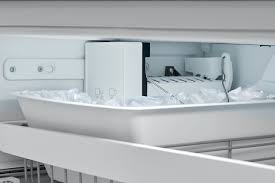
A Frigidaire ice maker is a convenient appliance, but like any machine, it performs best when properly maintained. Following preventive tips can help you avoid common problems, extend the life of your ice maker, and ensure a constant supply of perfectly frozen ice.
1. Keep the Freezer at the Right Temperature
-
Maintain your freezer around 0°F (-18°C).
-
Too warm, and ice production slows or stops; too cold, and water lines may freeze.
-
Check the thermostat regularly to ensure consistent performance.
2. Inspect and Maintain the Water Supply
-
Ensure the water line is unobstructed and leak-free.
-
Replace old or damaged lines to prevent blockages.
-
Use a water filter if your area has hard water to reduce mineral buildup.
3. Regularly Clean Your Ice Maker
-
Clean the ice bin and ice mold every 3–6 months.
-
Use a mixture of warm water and vinegar or a manufacturer-recommended cleaner.
-
Cleaning removes mineral deposits and prevents bacteria or mold growth.
4. Avoid Overfilling the Ice Bin
-
A full or misaligned ice bin can prevent proper ice production.
-
Empty the bin when it reaches capacity to allow the ice maker to continue cycling.
5. Check for Ice Clumping
-
Ice that sticks together may indicate humidity or temperature issues.
-
Periodically stir or break up clumps in the ice bin to prevent jams and keep cubes separated.
6. Perform Routine Visual Inspections
-
Look for leaks, cracks, or unusual wear in the water lines, ice mold, or ice bin.
-
Early detection can prevent costly repairs later.
7. Reset Periodically
-
Occasionally reset your ice maker according to the manufacturer’s instructions.
-
This can help clear minor electronic glitches and ensure the appliance cycles properly.
8. Use Quality Water
-
If possible, use filtered or distilled water to reduce the risk of scale and mineral buildup.
-
Hard water can shorten the life of the ice maker and affect the taste of ice.
A healthy ice maker is the result of regular care and preventive maintenance. By keeping the freezer at the right temperature, maintaining the water supply, cleaning regularly, and performing routine inspections, you can avoid common problems and enjoy a continuous supply of fresh, perfectly frozen ice. Preventive habits not only save time and money but also extend the life of your Frigidaire ice maker, keeping it reliable for years to come.
Conclusion
If you’ve been wondering, Why Is My Frigidaire Ice Maker Not Making Ice, now you have a clear understanding of the common causes and practical solutions. From temperature issues and water supply problems to clogged filters and mechanical malfunctions, identifying the root cause is the first step toward getting your ice maker back to peak performance.
Remember, a little troubleshooting can go a long way. Regular maintenance, timely cleaning, and careful monitoring of your appliance can prevent future disruptions and keep the ice flowing smoothly. Don’t let a temporary hiccup stop you from enjoying perfectly chilled drinks take charge and restore your Frigidaire ice maker to its full potential today.