
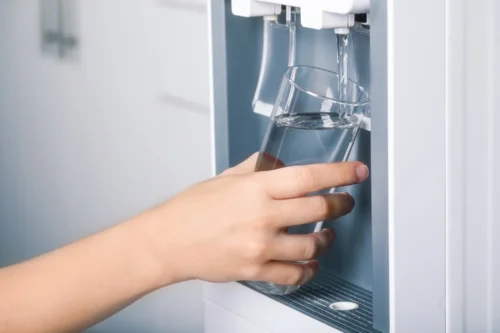
Imagine reaching for a glass of water, expecting a refreshing sip, only to wonder: Is Drinking Water Dispenser Safe? Water dispensers have become a convenient part of modern life, found in offices, homes, and public spaces alike.
But behind their ease and accessibility lies a question many overlook are they truly safe for everyday use? From lingering bacteria to the quality of materials used, these devices can pose hidden risks if not properly maintained. Knowing how to identify potential hazards and take preventive steps ensures that every sip you take is not just convenient, but genuinely safe and healthy.
Understanding Drinking Water Dispensers
A drinking water dispenser is a device designed to store, cool, heat, or dispense water for drinking. Depending on the model, it may use bottled water, connect directly to a water supply, or include built-in filtration systems to improve water quality before dispensing.
Main Types of Drinking Water Dispensers
1. Bottled Water Dispensers
These use large water bottles (usually 3–5 gallons) placed on top or inside the unit. They are popular because they’re easy to install and don’t require plumbing. However, they depend on regular bottle replacement and proper cleaning.
2. Bottom-Loading Dispensers
A more user-friendly version of bottled dispensers, these allow the bottle to be loaded at the bottom, reducing lifting strain. They often look sleeker and are commonly used in homes and offices.
3. Point-of-Use (POU) or Plumbed-In Dispensers
These connect directly to a water line and typically include filtration systems. They provide an unlimited water supply and are cost-effective long term, but they require professional installation.
4. Countertop Water Dispensers
Compact and portable, countertop dispensers are ideal for small spaces. Some use bottled water, while others connect to a faucet.
Key Components and How They Work
-
Water Source: Either bottled water or a direct connection to a municipal supply.
-
Filtration System (if included): Removes impurities such as chlorine, sediment, and sometimes bacteria or heavy metals.
-
Cooling System: Uses a compressor or thermoelectric cooling to deliver cold water.
-
Heating Element: Heats water for tea, coffee, or instant meals.
-
Dispensing Taps: Separate taps for hot, cold, and sometimes room-temperature water.
-
Drip Tray: Collects excess water and prevents spills.
Benefits of Drinking Water Dispensers
-
Convenience: Instant access to hot or cold water without boiling or refrigeration.
-
Encourages Hydration: Easy access often leads to increased water intake.
-
Improved Taste: Filtration systems can enhance water flavor by removing odors and contaminants.
-
Cost Savings: Reduces reliance on bottled water in the long run.
-
Versatility: Suitable for homes, offices, and public areas.
Safety and Hygiene Considerations
While water dispensers are generally safe, hygiene plays a major role. Regular cleaning of nozzles, drip trays, and internal components is essential to prevent bacterial growth. Hot water dispensers should also have child-safety locks to avoid burns.
Energy Efficiency and Maintenance
Modern dispensers are designed to be energy-efficient, but models with heating and cooling functions consume more power. Routine maintenance—such as filter changes, bottle replacement, and periodic sanitization—ensures optimal performance and water quality.
Limitations to Be Aware Of
-
Bottled dispensers require ongoing bottle purchases and storage.
-
Poor maintenance can lead to contamination.
-
Initial costs for plumbed-in dispensers can be higher due to installation.
Drinking water dispensers are a practical solution for accessing clean, temperature-controlled water with ease. Understanding the different types, how they work, and the importance of maintenance helps you choose the right dispenser and use it safely. When properly maintained, a water dispenser can be a reliable and healthy addition to everyday life.
Common Safety Concerns
Drinking water dispensers are widely used because they offer convenience and easy access to clean water. However, like any appliance that stores and dispenses water, they come with certain safety concerns if not properly used or maintained. Understanding these issues helps ensure your water remains safe to drink and your dispenser operates efficiently.
1. Bacterial and Microbial Contamination
One of the most common safety concerns is the growth of bacteria, mold, and algae inside the dispenser. This usually happens when the unit is not cleaned regularly. Moist environments, especially around nozzles, drip trays, and internal reservoirs, can become breeding grounds for harmful microorganisms that may cause stomach upset or infections.
2. Poor Maintenance and Cleaning Practices
Neglecting routine maintenance such as sanitizing the water tank, cleaning taps, and replacing filters can compromise water quality. Old filters can become clogged and ineffective, allowing contaminants to pass through or even accumulate inside the system.
3. Hot Water Burn Risks
Dispensers that provide hot water pose a burn risk, especially for children and elderly users. Accidental activation of the hot water tap can result in scalding injuries if the unit does not have a child-safety lock or if the lock is not used properly.
4. Chemical Leaching from Materials
Some water dispensers, especially older or low-quality models, may contain plastic components that can leach chemicals into the water over time. This risk increases when dispensers are exposed to heat or direct sunlight, potentially affecting both water taste and safety.
5. Electrical Hazards
Since most water dispensers rely on electricity for heating and cooling, faulty wiring, damaged power cords, or exposure to water can create electrical hazards. Poor placement near sinks or wet areas increases the risk of electric shock or short circuits.
6. Water Bottle Handling and Storage Issues
For bottled water dispensers, improper handling or storage of water bottles can introduce contaminants. Bottles stored in dirty environments or exposed to heat and sunlight may promote bacterial growth before they are even installed on the dispenser.
7. Cross-Contamination at Dispensing Nozzles
Touching dispenser nozzles with cups, bottles, or hands can transfer germs. In shared spaces like offices or schools, this increases the risk of spreading bacteria and viruses among users.
8. Inadequate Filtration or Filter Failure
In dispensers with built-in filtration, using the wrong filter type or failing to replace filters on schedule can reduce effectiveness. This may allow sediments, chlorine, heavy metals, or other impurities to remain in the drinking water.
While drinking water dispensers are generally safe, ignoring basic safety and hygiene practices can lead to health and operational risks. Regular cleaning, proper maintenance, safe handling of water bottles, and choosing high-quality dispensers with safety features significantly reduce these concerns. By staying informed and proactive, you can enjoy clean, safe drinking water with confidence.
How to Ensure Your Water Dispenser is Safe
A water dispenser can be a reliable source of clean drinking water, but its safety depends largely on how well it is used and maintained. Simple habits and regular checks go a long way in preventing contamination, breakdowns, and health risks. Below are practical steps you can take to ensure your water dispenser remains safe for everyday use.
1. Clean and Sanitize Regularly
Routine cleaning is essential. Wash and sanitize the dispensing nozzles, drip tray, and water reservoir at least once a month. In shared environments like offices, more frequent cleaning is recommended. Always follow the manufacturer’s cleaning instructions to avoid damaging internal components.
2. Replace Filters on Schedule
If your dispenser has a built-in filtration system, timely filter replacement is critical. Old or clogged filters lose their ability to remove contaminants and may even harbor bacteria. Stick to the recommended replacement schedule, usually every 3–6 months, depending on usage and water quality.
3. Use Safe, Quality Water Sources
For bottled dispensers, purchase water from reputable suppliers and inspect bottles for damage or leaks before installation. For plumbed-in dispensers, ensure your water source meets local drinking water standards and consider periodic water testing for added assurance.
4. Practice Proper Bottle Handling
Always wash your hands before changing water bottles. Avoid touching the bottle opening, and store unused bottles in a cool, shaded, and clean environment to prevent bacterial growth before use.
5. Keep the Dispenser in a Safe Location
Place the dispenser on a stable, flat surface away from direct sunlight, heat sources, and moisture. This helps prevent chemical leaching from plastics, reduces electrical risks, and keeps the unit functioning efficiently.
6. Check Electrical Safety
Inspect power cords and plugs regularly for wear or damage. Keep the dispenser away from sinks or wet areas, and unplug it before cleaning to avoid electrical hazards.
7. Use Safety Features Properly
If your dispenser has a hot water function, always engage the child-safety lock when not in use. Educate all users—especially in homes and offices—on how to dispense water safely.
8. Avoid Nozzle Contamination
Do not allow cups or bottles to touch the dispensing nozzles. In public or shared spaces, consider models with touchless or push-button dispensing to reduce cross-contamination.
Ensuring your water dispenser is safe doesn’t require complicated steps—just consistency and awareness. With regular cleaning, proper maintenance, safe handling, and attention to basic safety features, your water dispenser can provide clean, refreshing water you can trust every day.
Signs Your Dispenser Might Be Unsafe

Expert Tips for Safe Usage
Alternatives to Traditional Water Dispensers
Traditional bottled or freestanding water dispensers are convenient, but they’re not the only way to access clean drinking water. Depending on your space, budget, and water needs, several effective alternatives can offer improved convenience, safety, or cost savings.
1. Faucet-Mounted Water Filters
These attach directly to your kitchen tap and filter water as it flows. They are easy to install, affordable, and ideal for renters. While they improve taste and remove common contaminants, they typically don’t provide hot or chilled water.
2. Under-Sink Water Filtration Systems
Installed beneath the sink, these systems filter water before it reaches your faucet. They deliver high-quality drinking water without taking up counter space. Maintenance involves periodic filter changes, but they provide a constant supply of filtered water.
3. Countertop Water Filter Pitchers
Water filter pitchers are simple and budget-friendly. They require no installation and are easy to store in the refrigerator. While they don’t offer instant hot or cold water, they are effective for small households with moderate water consumption.
4. Whole-House Water Filtration Systems
These systems filter water at the point where it enters your home, ensuring clean water from every tap. They’re ideal for households concerned about overall water quality, though they come with higher installation and maintenance costs.
5. Tankless or On-Demand Water Heaters with Filtration
Some modern tankless water heaters include built-in filtration and temperature control. They provide hot water instantly and reduce the need for a separate dispenser, especially in kitchens and offices.
6. Reverse Osmosis (RO) Systems
RO systems remove a wide range of contaminants, including dissolved solids and heavy metals. They are often installed under the sink and deliver highly purified water. However, they may waste some water during filtration and require regular maintenance.
7. Smart Water Purifiers
Smart purifiers use advanced filtration technologies and sensors to monitor water quality. Many models offer app integration, filter life alerts, and temperature control, combining convenience with safety.
While traditional water dispensers remain popular, alternatives like filtration systems, pitchers, and smart purifiers can be just as effective or even better depending on your needs. Choosing the right option comes down to your water source, usage habits, space, and preference for convenience or advanced filtration.
Conclusion
Every sip of water should make you feel refreshed not worried. That’s why many people still ask, Is Drinking Water Dispenser Safe? The truth is, a water dispenser can be perfectly safe and dependable when it’s properly cleaned, correctly handled, and regularly maintained. Problems only arise when hygiene is ignored or basic care is overlooked.
At the end of the day, safety comes down to simple habits. Regular cleaning, using clean water sources, and following the manufacturer’s instructions can make all the difference. When treated with care, a drinking water dispenser isn’t just a convenience in your home or office it becomes a trustworthy source of healthy hydration you can rely on every single day.