
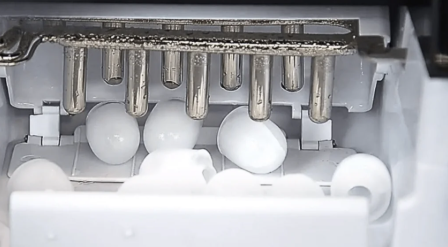
Tired of opening your freezer and finding ice that looks cloudy, tastes odd, or forms more slowly than it should? Then learning How To Clean Frigidaire Ice Maker might be the quick fix you’ve been missing. A properly cleaned ice maker doesn’t just improve the quality of your ice, it keeps your appliance running smoothly and extends its lifespan.
Many homeowners are surprised by how fast mold, residue, and mineral buildup can accumulate inside the unit. The best part? You don’t need any special tools or expert skills to bring your Frigidaire ice maker back to life. In this guide, you’ll uncover a simple, step-by-step cleaning routine that restores performance and ensures every cube comes out fresh, clear, and ready for your next drink.
Top Frigidaire Ice Maker Today – Best Selling Frigidaire Ice maker
Frigidaire 26 Lbs per Day Portable Compact Maker
Frigidaire EFIC103-AMZ-SC Counter Top Maker with Over-Sized Ice Bucket
Signs Your Frigidaire Ice Maker Needs Cleaning
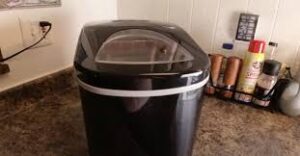
Your Frigidaire ice maker works quietly behind the scenes, churning out ice cubes that keep your drinks fresh and enjoyable. But like every appliance, it needs proper care. When it starts showing unusual signs strange tastes, slow ice production, or odd noises it’s often your machine crying out for attention. Recognizing these signals early not only improves ice quality but also extends the lifespan of your ice maker. Below are the clear signs your Frigidaire ice maker needs cleaning before bigger issues pop up.
1. Your Ice Has a Strange Taste or Smell
If your ice tastes metallic, stale, or has a sour odor, it’s a major indicator of mineral buildup, trapped bacteria, or dirty internal components. Clean water should produce clean ice—anything else means cleaning is overdue.
2. Ice Cubes Look Cloudy, Discolored, or Have Particles Inside
Cloudy, yellowish, or speckled ice cubes are often caused by impurities or debris inside the ice maker. This usually happens when the internal tray, filter area, or water lines are dirty.
3. Ice Production Has Slowed Down
If your ice maker takes longer than usual to produce ice or isn’t filling the bin, dirt, mineral deposits, or blockages may be restricting the flow of clean water.
4. Ice Cubes Are Smaller Than Normal
When minerals or debris clog water pathways, the ice maker cannot fill the molds properly—resulting in unusually small or misshapen cubes. Cleaning often restores normal cube size.
5. Your Ice Maker Makes Unusual Noises
Grinding, clicking, or buzzing sounds could mean frost buildup, internal debris, or stuck components. Cleaning and defrosting usually eliminate these noises.
6. Visible Mold, Slime, or Frost Around the Ice Maker
Greenish, pinkish, or slimy residue in or around the ice maker is a strong sign of mold or bacteria growth. Excess frost buildup also points to dirty or clogged internal parts.
7. The Ice Bin Smells or Has Residue
If the ice bin has a musty or unpleasant smell, or you see stains or grime inside the bin, the entire ice maker needs cleaning. The bin is one of the first places bacteria settle.
8. Your Ice Maker Leaks Water
Leaking is often tied to clogged drainage, dirty seals, or mineral deposits that disrupt normal water flow. Cleaning helps prevent these blockages.
9. You Haven’t Cleaned It in More Than 3 Months
Even if no obvious issues appear, Frigidaire recommends routine cleaning every 2–3 months. If it’s been longer, your machine likely has hidden buildup.
What You’ll Need (Tools & Supplies)
Keeping your Frigidaire ice maker clean is essential for producing fresh, safe, and great-tasting ice. But before you dive into the cleaning process, it’s important to gather all the right tools and supplies.
Having everything on hand not only makes the cleaning easier but also ensures you don’t miss any critical steps. Here is a detailed list of what you’ll need to clean your ice maker effectively and safely.
1. Warm Water
Warm water is the foundation for most cleaning solutions. It helps dissolve mineral deposits, ice residue, and cleaning agents without damaging the ice maker’s internal components. Avoid using boiling water, as extreme heat can warp plastic parts.
2. Mild Dish Soap
A gentle dish soap is perfect for cleaning trays, bins, and other removable parts. It removes grease, slime, and surface dirt without leaving harsh chemicals that could contaminate your ice.
3. White Vinegar or Ice Maker Cleaner
White vinegar is a natural and safe solution for removing mineral buildup, hard water stains, and mold. Specialized ice maker cleaning solutions are also available if you prefer a commercial option. Both effectively disinfect and break down stubborn deposits.
4. Soft Cloths or Microfiber Towels
Soft cloths or microfiber towels are ideal for wiping surfaces. They clean effectively without scratching delicate plastic or metal parts inside your ice maker.
5. Soft-Bristle Brush or Toothbrush
A small brush is perfect for reaching tight corners, crevices, and hard-to-reach areas where slime and debris accumulate. A toothbrush works well for detailed scrubbing without damaging surfaces.
6. Sponge or Non-Abrasive Scrubber
For tougher stains or sticky residue, use a soft sponge or non-abrasive scrubber. Avoid anything too harsh that could scratch or damage the ice tray or bin.
7. Measuring Cup or Small Bowl
You’ll need a measuring cup or small bowl to mix vinegar, water, or cleaning solutions accurately. This ensures the right concentration for safe and effective cleaning.
8. Spray Bottle (Optional)
A spray bottle allows you to evenly distribute cleaning solutions on hard-to-reach surfaces, making it easier to clean every corner without over-soaking.
9. Clean, Dry Towel
After cleaning, use a clean towel to dry all components completely before reassembling. This prevents mold and bacteria from forming in damp areas.
10. Replacement Water Filter (If Needed)
If your ice maker has a water filter, consider replacing it if it’s old or clogged. A fresh filter improves water quality, prevents future buildup, and ensures the ice tastes fresh.
11. Gloves (Optional)
Gloves protect your hands from cleaning solutions and grime, making the process more hygienic and comfortable.
Things to Do Before Cleaning
Before you start scrubbing and soaking, taking a few preparatory steps can make cleaning your Frigidaire ice maker easier, safer, and more effective. These steps help prevent spills, damage, or accidents while ensuring you can reach all areas that need attention. Here’s what you should do before diving into the cleaning process.
1. Turn Off and Unplug the Ice Maker
Always turn off the machine and unplug it from the power source. This is a crucial safety step to prevent electric shocks or accidental ice production while cleaning.
2. Remove All Ice and Empty the Bin
Take out any ice cubes from the ice bin and discard them. Also, drain any water remaining in the reservoir to avoid spills during cleaning. Old ice can harbor bacteria and will not be safe to consume after cleaning.
3. Gather All Cleaning Supplies
Collect everything you’ll need, including:
-
Warm water
-
Mild dish soap or vinegar
-
Soft cloths, sponges, or brushes
-
Measuring cup and spray bottle (optional)
Having all tools on hand prevents interruptions and ensures a smooth cleaning process.
4. Remove Removable Parts
Take out the ice tray, ice bin, and water filter (if your model has one). Cleaning these parts separately allows you to scrub them thoroughly and reach corners that are normally inaccessible.
5. Check for Damage or Wear
Before cleaning, inspect your ice maker for cracks, loose parts, or worn-out components. Cleaning is easier and safer when you’re aware of any existing issues. Replace or repair any damaged parts to avoid further problems.
6. Protect Surrounding Surfaces
Place a towel or cloth under the ice maker area to catch drips or spills. This keeps your kitchen counter dry and makes cleanup easier.
7. Read the Manufacturer’s Manual
Check your Frigidaire ice maker manual for any specific cleaning instructions or warnings. Some models may have unique components or cleaning cycles that require careful attention.
Taking a few preparatory steps before cleaning your Frigidaire ice maker saves time, prevents accidents, and ensures a more effective clean.
By turning off the machine, removing ice, gathering supplies, and inspecting parts, you set the stage for a safe, thorough, and stress-free cleaning session. Once these steps are done, you’re ready to move on to the actual cleaning process.
How To Clean Frigidaire Ice Maker
Your Frigidaire ice maker is designed to deliver fresh, clear ice, but over time, mineral deposits, slime, and bacteria can accumulate inside. Regular cleaning keeps your ice tasting fresh, prevents odors, and ensures your machine works efficiently. Cleaning doesn’t have to be complicated, follow these simple steps to restore your ice maker to peak performance.
Step 1: Turn Off and Unplug the Ice Maker
Safety first! Always turn off your Frigidaire ice maker and unplug it before starting any cleaning. This prevents electrical accidents and allows you to safely remove all components.
Step 2: Remove Ice and Water
Empty the ice bin completely. If there’s any standing water in the ice maker, carefully drain it to prevent spills during cleaning.
Step 3: Remove Removable Parts
Take out all removable components, including the ice bin, ice tray, and water filter (if applicable). Most Frigidaire models allow easy removal for cleaning.
Step 4: Prepare Cleaning Solution
Mix a solution of warm water and white vinegar (or a specialized ice maker cleaner) in a measuring cup or small bowl. A 1:1 ratio of vinegar to water works well for removing mineral buildup. For general cleaning, mild dish soap mixed with warm water also works.
Step 5: Clean the Removable Parts
-
Soak the ice bin and ice tray in the cleaning solution for 10–15 minutes.
-
Use a soft cloth, sponge, or soft-bristle brush to scrub all surfaces thoroughly, especially corners and crevices.
-
Rinse all parts with clean water to remove soap or vinegar residue.
Step 6: Wipe the Interior of the Ice Maker
-
Use a cloth or sponge dampened with the cleaning solution to wipe down the interior walls, ice mold area, and water reservoir.
-
Pay attention to areas with visible buildup, slime, or frost.
-
Rinse with a clean, damp cloth afterward.
Step 7: Clean the Water Lines and Dispenser (If Applicable)
Some models have small water lines or a dispenser spout. Use a soft brush or pipe cleaner to remove any mineral deposits. Rinse thoroughly with warm water.
Step 8: Dry All Components
Use a clean, dry towel to dry the ice bin, tray, and interior surfaces completely. Moisture left behind can encourage mold growth.
Step 9: Reassemble and Replace Filter
-
Put the ice tray, ice bin, and water filter (if replaced) back in their original positions.
-
Make sure everything fits securely.
Step 10: Run a Cleaning Cycle (Optional)
Some Frigidaire models have a self-cleaning cycle. If yours does, run it according to the manufacturer’s instructions. If not, you can run a small batch of ice without consuming it to flush out any remaining residue.
Step 11: Resume Normal Use
Plug in the ice maker, turn it on, and allow it to produce fresh ice. Enjoy clean, clear, and fresh-tasting ice cubes.
Tips for Maintenance
-
Clean every 2–3 months to prevent buildup.
-
Replace the water filter regularly to ensure optimal ice quality.
-
Check for mold or slime in hidden areas like corners or under trays.
Cleaning your Frigidaire ice maker doesn’t have to be a chore. By following these steps, you remove bacteria, mineral buildup, and odors, ensuring every ice cube is fresh and safe to use. Regular maintenance extends the lifespan of your ice maker, improves efficiency, and guarantees that every drink you serve is as refreshing as it should be.
How Often Should You Clean Your Frigidaire Ice Maker?
Your Frigidaire ice maker works hard to provide you with fresh, clean ice every day. But over time, mineral deposits, slime, and bacteria can accumulate, affecting the taste and quality of your ice. Regular cleaning isn’t just about hygiene it also keeps your machine running efficiently and extends its lifespan. Knowing how often to clean your ice maker helps prevent problems before they start.
1. General Recommendation: Every 2–3 Months
For most households, cleaning your Frigidaire ice maker every 2–3 months is ideal. This schedule prevents mineral buildup, mold growth, and unpleasant odors, ensuring that your ice remains fresh and safe to consume.
2. When Heavy Use Requires More Frequent Cleaning
If your ice maker is used heavily—such as in large households, offices, or for parties—you may need to clean it monthly. Frequent use increases the risk of slime and mineral deposits forming more quickly.
3. After Detecting Warning Signs
Even if it hasn’t been 2–3 months, you should clean your ice maker immediately if you notice:
-
Ice with unusual taste or odor
-
Cloudy or discolored ice cubes
-
Slower ice production
-
Visible mold, slime, or frost buildup
These signs indicate that your ice maker needs attention, regardless of the time since the last cleaning.
4. Water Quality Considerations
If you live in an area with hard water, mineral deposits can accumulate faster. In such cases, cleaning your ice maker more frequently every 1–2 months, it helps prevent scaling and prolongs the appliance’s lifespan.
5. Regular Filter Replacement
Even with regular cleaning, the water filter should be replaced according to the manufacturer’s instructions, typically every 6 months. A clean filter ensures your ice remains pure and prevents debris from building up inside the machine.
For optimal performance, your Frigidaire ice maker should be cleaned every 2–3 months, or more frequently if used heavily or if hard water is a concern. Paying attention to warning signs and maintaining a clean water filter ensures your ice is always fresh, your machine runs efficiently, and costly repairs are avoided. Regular maintenance is a small effort that delivers consistent, high-quality ice every time.
Troubleshooting Common Ice Maker Problems
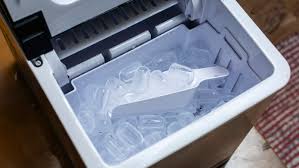
Even with regular cleaning and maintenance, your Frigidaire ice maker can occasionally experience problems. Understanding common issues and how to troubleshoot them can save you time, prevent costly repairs, and keep your ice production running smoothly. Here’s a guide to identifying and solving common ice maker problems.
1. Ice Maker Is Not Producing Ice
Possible Causes:
-
Water supply is turned off or blocked.
-
The water line is frozen or clogged.
-
Ice maker is not turned on or is in “off” mode.
Troubleshooting Steps:
-
Ensure the water supply valve is fully open.
-
Inspect the water line for kinks or freezing and thaw if necessary.
-
Check that the ice maker is switched on and the control arm (if applicable) is in the correct position.
2. Ice Cubes Are Small or Misshapen
Possible Causes:
-
Mineral buildup in the ice tray or water lines.
-
Low water pressure.
-
Dirty water filter.
Troubleshooting Steps:
-
Clean the ice maker thoroughly (see cleaning guide).
-
Replace the water filter if it’s clogged.
-
Check water pressure and ensure it meets the manufacturer’s specifications.
3. Ice Has a Strange Taste or Odor
Possible Causes:
-
Mold, bacteria, or slime inside the ice maker.
-
Old or contaminated water in the reservoir.
Troubleshooting Steps:
-
Clean the ice maker using a vinegar or ice maker cleaning solution.
-
Discard old ice and refill with fresh water.
-
Replace the water filter if it’s been in use for more than 6 months.
4. Ice Maker Makes Unusual Noises
Possible Causes:
-
Ice stuck in the ejector arm or tray.
-
Frost buildup or mechanical issues.
Troubleshooting Steps:
-
Remove ice jams carefully.
-
Clean the ice tray and interior surfaces.
-
If noise persists, inspect mechanical parts and consult the manual or a technician.
5. Ice Sticks Together or Is Cloudy
Possible Causes:
-
Excess moisture in the bin or freezer.
-
Hard water or mineral deposits.
Troubleshooting Steps:
-
Wipe down the ice bin and ensure it’s dry before use.
-
Run a cleaning cycle to remove mineral buildup.
-
Consider using filtered or softened water for ice production.
6. Water Leaks Around the Ice Maker
Possible Causes:
-
Loose or damaged water line connections.
-
Clogged or frozen drain line.
Troubleshooting Steps:
-
Check and tighten all water line connections.
-
Clear any blockages in the drain line.
-
Inspect for cracks in the water reservoir or lines.
Troubleshooting your Frigidaire ice maker early can prevent minor issues from turning into major problems. Most ice maker problems such as small ice cubes, strange odors, or leaks can be resolved with cleaning, checking water supply, and replacing worn components like filters.
By staying proactive and performing regular maintenance, your ice maker will continue producing fresh, clear ice reliably for years to come.
Conclusion
Mastering how to clean frigidaire ice maker ensures your appliance runs efficiently, produces crystal-clear ice, and lasts longer. Regular cleaning not only prevents unpleasant odors and buildup but also safeguards your family’s health by eliminating bacteria and mold. By following the simple steps outlined, you can transform a neglected ice maker into a sparkling, fully functional machine with minimal effort.