

If you’ve ever stood by your freezer wishing ice would form a little faster, you’ve probably asked yourself, “How Long Does It Take An Ice Maker To Make Ice?” It’s a simple question with surprising answers because while some ice makers can deliver a batch in minutes, others take their time depending on design, temperature, and how well the machine is maintained.
Understanding the timing of your ice maker isn’t just about curiosity, it’s about convenience. Whether you’re hosting guests, stocking up for a long day, or simply craving a chilled drink, knowing how fast your machine can produce ice helps you plan smarter. In this guide, you’ll discover what really affects ice-making speed, how long each type of machine takes, and how to get ice faster when you need it most.
How Long Does It Really Take an Ice Maker to Make Ice?
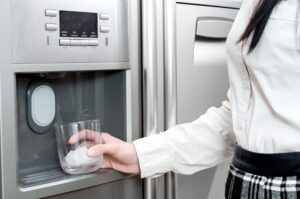
The type of ice maker plays a big role in how quickly ice is produced. Portable countertop ice makers, commonly used at home or in small offices, are designed to produce ice relatively quickly, often within 6 to 15 minutes per batch depending on the model.
Built-in or under-counter ice makers may take a bit longer for the first batch, typically 15 to 30 minutes, but they can produce ice continuously over time. Commercial ice makers, built for high-volume use, are the fastest, producing ice every 5 to 10 minutes, though they require a larger investment and space.
The size of the ice cubes also influences production time. Smaller cubes freeze faster, usually within 6 to 10 minutes, while medium cubes take a little longer, around 10 to 12 minutes. Large cubes naturally require more time, often 15 to 20 minutes per cycle, as they need more freezing.
Water temperature is another key factor. Using cold water instead of room-temperature or warm water can speed up the freezing process, as the machine doesn’t have to lower the temperature as much. Similarly, the environment in which the ice maker operates matters. Machines work most efficiently in cool, well-ventilated spaces. High heat or humidity can slow ice production, and placing the unit in direct sunlight or near other heat sources will also increase freezing times.
Ice makers work in cycles, automatically filling, freezing, and ejecting the ice. The first batch often takes longer, sometimes up to 20 minutes, while subsequent batches may be quicker since the machine is already chilled. Maintaining the ice maker properly ensures optimal performance, as a buildup of limescale or neglected cleaning can slow down ice production.
The time it takes for an ice maker to produce ice varies, but on average, a countertop model produces the first batch in about 6 to 20 minutes. Subsequent batches are generally faster, and factors like cube size, water temperature, ambient conditions, and machine upkeep all play a role. By keeping these factors in mind, you can enjoy a reliable and steady supply of ice without unnecessary waiting.
Factors That Affect How Fast an Ice Maker Produces Ice
Have you ever found yourself impatiently waiting for your ice maker to produce cubes, wondering why it seems slower than expected? The speed at which an ice maker produces ice is influenced by several important factors. Understanding these can help you optimize your machine and enjoy ice faster, whether it’s for a party, office, or home use.
1. Type of Ice Maker
The type of ice maker you use is one of the most significant factors affecting ice production speed. Portable countertop ice makers are designed for quick batches, usually producing ice in 6–15 minutes. Under-counter or built-in models often take longer for the first batch but provide a continuous supply once running. Commercial machines are built for rapid, high-volume ice production and can produce ice every 5–10 minutes.
2. Ice Cube Size
The size of the ice cubes you select can impact production time. Smaller cubes freeze faster, while medium-sized cubes take a bit longer. Large ice cubes, which require more water to freeze, naturally take the longest. Choosing the right cube size can help you balance speed and the type of ice you need.
3. Water Temperature
The temperature of the water used in the ice maker plays a critical role. Cold water freezes faster than room-temperature or warm water because the machine doesn’t need to lower the temperature as much. Using pre-chilled water can reduce the waiting time significantly.
4. Ambient Temperature and Environment
Where your ice maker is located also affects its speed. Ice makers work best in cool, well-ventilated areas. If the room is hot or humid, ice formation slows down. Machines placed near heat sources, sunlight, or in poorly ventilated areas will take longer to produce ice.
5. Maintenance and Cleanliness
A clean, well-maintained ice maker produces ice more efficiently. Mineral buildup, limescale, or a dirty water reservoir can slow freezing. Regular cleaning and proper maintenance ensure the machine runs smoothly and keeps production times consistent.
Several factors determine how fast an ice maker produces ice, including the type of machine, the size of the cubes, water temperature, the surrounding environment, and maintenance practices. By understanding these variables, you can optimize your ice maker’s performance, reduce waiting times, and enjoy a steady supply of ice whenever you need it.
Signs Your Ice Maker Is Too Slow
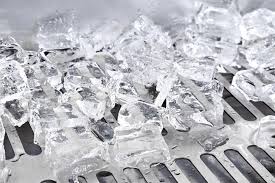
Your ice maker should produce ice steadily and efficiently, especially when you rely on it for daily use or during gatherings. But what if it suddenly feels like you’re waiting forever for a new batch of ice? Recognizing the signs your ice maker is too slow can help you identify the problem early and prevent bigger issues down the line. Below are the most common indicators that your ice maker isn’t performing as it should.
1. Longer Than Usual Ice Production Time
If your ice maker normally produces ice within 6–12 minutes per cycle but now takes twice as long, it’s a clear red flag. Slower cycles indicate problems with water flow, temperature, or internal components.
2. Smaller Ice Cubes Than Normal
When an ice maker becomes slow, it often produces smaller or misshapen cubes. This usually means the machine isn’t getting enough water or the freezing environment isn’t cold enough to solidify full-sized cubes.
3. Ice Bin Not Filling Up
If your ice bin never seems full even after hours of use it’s a strong sign the machine is underperforming. A working ice maker should steadily refill the bin; an empty or half-filled bin means production is slower than it should be.
4. Ice Is Softer or Cloudier Than Usual
Ice that melts quickly or feels soft suggests your freezer isn’t reaching the correct temperature. When ice freezes too slowly, it becomes cloudy and brittle another clue your ice maker is taking too long to produce solid cubes.
5. Water Pressure Seems Low
Slow ice production often ties back to low water pressure. If your fridge or home water line is delivering weak flow, your ice maker won’t receive enough water to make ice quickly.
6. Freezer Temperature Is Fluctuating
Your freezer should stay at 0°F (-18°C). If it’s fluctuating or sitting above that, it slows down the entire ice-making process. You may notice frost buildup or uneven cooling patterns along with slow production.
7. You Hear Strange or Intermittent Noises
Clunking, clicking, or long pauses in operation suggest the ice maker is struggling. These sounds can indicate mechanical issues that slow down ice production, such as a faulty motor or jammed components.
8. Ice Maker Needs Frequent Resets
If you repeatedly find yourself resetting or unplugging your ice maker just to get it working again, it’s a sign of internal performance issues affecting its speed.
Spotting the signs your ice maker is too slow early can save you from surprise breakdowns and costly repairs. Whether it’s tiny cubes, delayed cycles, low water pressure, or temperature problems, each clue points to an area that needs attention. By diagnosing the issue promptly, you can restore your ice maker’s performance and ensure you always have a steady supply of fresh, crystal-clear ice whenever you need it.
When to Replace Your Ice Maker

An ice maker is one of those appliances you don’t think much aboutuntil it stops working when you need it most. While many ice maker issues can be repaired, there comes a time when fixing it might not be worth the effort or cost. Knowing when to replace your ice maker can save you money, frustration, and time. Below are the clear signs that it may be time for a full replacement.
1. Frequent Breakdowns or Repairs
If your ice maker constantly needs repairs, troubleshooting, or resets, it’s often more cost-effective to replace it. Frequent malfunctions indicate worn-out components that are nearing the end of their lifespan.
2. Ice Production Has Significantly Dropped
A noticeable decline in ice output especially when your freezer and water supply are functioning properly—may signal that the internal mechanics are failing. When production becomes consistently slow or unreliable, a new unit may be the best option.
3. Ice Maker Is More Than 8–10 Years Old
Most ice makers last 8 to 10 years with proper care. If yours is reaching or past this age and showing issues, replacing it is often smarter than repairing outdated parts.
4. Ice Quality Is Poor (Taste, Smell, or Appearance)
If your ice looks cloudy, has an odd shape, or carries an unpleasant taste or odor—despite proper cleaning and a clean water supply the internal system may be deteriorating. This is often a sign that the machine is no longer performing efficiently.
5. Parts Are Hard to Find or Too Expensive
When replacement parts become scarce or cost nearly as much as a new ice maker, repair is no longer a practical choice. This especially applies to older or discontinued models.
6. Persistent Leaks You Can’t Resolve
Leaks coming from the ice maker or its water line can lead to damage and higher utility bills. If you’ve tried fixing leaks and they keep returning, it’s usually a sign of deeper internal failures requiring a full replacement.
7. Your Freezer or Fridge Is Being Upgraded
If you’re upgrading your refrigerator or freezer, replacing the old ice maker ensures you get an efficient, modern, and compatible system. Older ice makers may struggle to work optimally in new units.
8. Repair Costs Exceed 50% of Replacement Cost
A common rule of thumb: if the repair estimate is more than half the price of a new ice maker, replacing it is the better long-term investment.
Knowing when to replace your ice maker helps you avoid constant repairs, poor-quality ice, and unexpected breakdowns. If your ice maker is old, unreliable, producing bad ice, or simply not worth repairing anymore, investing in a new one can restore convenience and efficiency to your kitchen. A modern ice maker also offers better performance, energy savings, and peace of mind making it a smart upgrade when the time is right.
Conclusion
When you finally understand How Long Does It Take An Ice Maker To Make Ice, it becomes clear that ice production isn’t just about time but it’s about efficiency, maintenance, and knowing what your machine needs to perform at its best. Whether you’re waiting for that first refreshing batch or trying to speed things up, the secret lies in how well you care for and use your ice maker.