

When it comes to making the perfect pizza, the oven isn’t the only factor that matters, it is the type of wood which is why choosing the best wood for pizza oven is essential. Whether you’re a pizza-making novice or a seasoned chef, the wood you choose can significantly impact the flavor, texture, and overall cooking experience of your pizza.
In this comprehensive guide, we’ll explore the best wood types for pizza ovens, explain the critical factors to consider when selecting your wood, and give you expert tips on how to use wood to enhance your pizza game.
Why Does the Type of Wood Matter for Your Pizza Oven?
Before we dive into the specific wood types, it’s important to understand why the choice of wood is so crucial in pizza-making. Wood isn’t just a heat source; it plays an integral role in flavor development and cooking consistency. The right wood creates an ideal cooking environment, offering several benefits:
-
Flavor: Each type of wood infuses a unique flavor profile into your pizza. The wood you burn influences how the heat transfers to the pizza, but it also imparts a subtle, smoky or sweet flavor that affects the final taste. Certain woods, such as oak and hickory, offer strong, smoky flavors, while others like applewood and cherry offer a milder, sweeter taste.
-
Heat Consistency: Different woods burn at different rates and temperatures, affecting how evenly your pizza cooks. Some woods, like oak, burn at high and stable temperatures, making them perfect for Neapolitan-style pizzas. Others, like birch, burn fast and hot, which is ideal for quick-cook recipes but not great for longer bakes.
-
Burn Rate: The burn rate of the wood also impacts the cooking time. Woods that burn too quickly might not allow your pizza to cook evenly, while those that burn too slowly might leave your pizza undercooked.
Understanding these factors helps you select the ideal wood for your cooking needs and ensures a consistently perfect pizza every time you fire up your oven.
Best Woods for Pizza Ovens
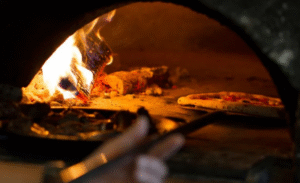
Choosing the right wood for your pizza oven is essential to ensure that your pizza has the perfect flavor and texture. Whether you’re a pizza enthusiast or a seasoned chef, the wood you use can significantly impact your cooking experience and the final result. Here are some of the best woods you should consider and reasons you should.
1. Oak: The Classic Choice for Consistent Heat
Oak is one of the most commonly recommended woods for pizza ovens, and for good reason. It provides a perfect balance between burn rate, heat retention, and flavor.
Top products to consider:
Pizza Oven & Cooking Wood – Mini Kiln-Dried Oak
Pizza Oven Wood with Fire Starters
Pizza Oven Wood – Kiln-Dried Oak Wood for Pizza Ovens
Pizza Oven Wood for Wood Fire Pizza Oven Mini Oak Firewood
-
Flavor Profile: Oak offers a balanced smoky flavor that enhances your pizza without overwhelming it. It creates a distinctive aroma and a subtle smokiness that pairs well with most pizza toppings, from classic Margherita to meat-heavy options like sausage and pepperoni.
-
Burn Rate and Temperature: Oak is a dense hardwood, which means it burns slowly and steadily. This results in a consistent high heat that is perfect for pizzas that need to be cooked at high temperatures (like the traditional Neapolitan pizza). Oak’s ability to burn for extended periods without the need for constant replenishing of the fire makes it an excellent choice for extended pizza-baking sessions.
-
Best For: If you’re looking to make pizzas that require a long, steady bake or want to keep the fire burning for multiple pizzas in a session, oak is the way to go. It’s ideal for traditional pizzas and provides that perfectly crisp crust every time.
2. Maple: The Subtle Sweetness
For a gentler, milder flavor, maple is an outstanding option. Maple wood is often associated with subtle sweetness and clean burning, which can elevate more delicate pizza toppings.
-
Flavor Profile: Maple offers a mild, sweet flavor with hints of nuttiness that subtly complements your pizza. Unlike oak or hickory, maple’s flavor doesn’t overpower the other ingredients, making it an ideal choice for gourmet pizzas or pizzas with lighter toppings, such as white sauce or grilled vegetables.
-
Burn Rate and Temperature: Maple burns steadily and evenly, maintaining a moderate temperature that is ideal for consistent cooking. It’s not as hot as oak, so it’s better suited for pizzas that don’t require the intense heat of a wood-fired oven. Maple is also great if you want to cook multiple pizzas over an extended period without the fire becoming too intense.
-
Best For: Maple works exceptionally well for delicate pizzas with a range of flavors that require a consistent, moderate heat. It’s particularly suited for white pizzas, veggie pizzas, or pizzas with creamy cheeses.
3. Cherry: Sweet and Smoky Delight
For a wood that adds complexity and sweetness to your pizza, cherry is an excellent choice. It offers a distinctive flavor profile that’s perfect for gourmet pizza makers.
-
Flavor Profile: Cherry wood imparts a sweet, slightly fruity flavor to your pizza, which enhances the taste of the toppings, especially when using fruits like pears, apples, or sweet tomatoes. This wood adds a mild smoky flavor that doesn’t overwhelm the pizza, making it ideal for those who prefer a subtler smoke.
-
Burn Rate and Temperature: Cherry burns at a moderate temperature, slower than hickory but hotter than maple, providing steady and consistent heat. It’s known for producing beautiful, even flames, making it a top choice for pizza makers who want both a flavorful and visually pleasing experience.
-
Best For: Cherry wood is perfect for sweet toppings, roasted vegetables, or any pizza that pairs well with a mild smokiness. It’s also great for those who want to add a unique flavor profile to their pizzas without overpowering the natural ingredients.
4. Hickory: Bold, Smoky Flavor for Savory Pizzas
For pizza lovers who crave a strong, smoky flavor, hickory is the go-to option. Known for its ability to produce a powerful aroma, hickory wood works wonders with hearty, savory toppings.
-
Flavor Profile: Hickory provides a strong, smoky flavor that is bold and intense. This wood is often compared to mesquite for its powerful aroma and flavor. It’s best used for savory pizzas, where the smoky flavor can complement meats such as sausage, bacon, or brisket.
-
Burn Rate and Temperature: Hickory burns at high temperatures, and it burns hot and fast. This high heat is perfect for quick-bake pizzas but can also be challenging to control. It’s important to manage the fire properly to avoid burning the crust or cooking your pizza unevenly.
-
Best For: Hickory is best for pizzas with meaty toppings or those that need a bold, smoky kick. It’s a great choice if you want your pizza to have a distinctive smoky flavor that enhances rich, savory ingredients.
5. Applewood: Light, Sweet Flavor for Delicate Pizzas
For a lighter, sweeter flavor, applewood is an excellent option. Known for its gentle smokiness, applewood is perfect for pizzas where you want a more nuanced flavor.
-
Flavor Profile: Applewood imparts a mild, sweet flavor that subtly enhances the pizza without overpowering it. It’s perfect for lighter pizzas, such as those with chicken, seafood, or mild cheeses like mozzarella or ricotta.
-
Burn Rate and Temperature: Applewood burns moderately, producing steady, even heat. It’s not as hot as hickory, so it’s suitable for slower cooking and allows for better control over the temperature in the oven.
-
Best For: Applewood is perfect for pizzas with delicate flavors, like seafood pizzas, chicken pesto pizzas, or any dish where you want to emphasize the taste of the ingredients rather than the wood smoke itself.
6. Birch: Hot and Quick for Fast Cooking
Birch is known for burning hot and fast, making it perfect for quick pizza bakes. While it doesn’t impart as strong a flavor as other woods, it’s still a reliable choice for those looking for speed.
-
Flavor Profile: Birch offers a mild flavor, so it doesn’t compete with the toppings. Its subtle smokiness is great for pizzas that don’t need an overpowering wood influence.
-
Burn Rate and Temperature: Birch burns at high temperatures and quickly, which is excellent for short cooking times. If you’re in a hurry and need to bake multiple pizzas in a short span, birch is a great choice.
-
Best For: Birch is ideal for quick-cook pizzas or situations where you need a consistent, short burn for several pizzas. Its fast burn rate is also suitable for multi-pizza cooking in larger ovens.
Common Mistakes to Avoid When Choosing Wood for Your Pizza Oven
-
Using Softwoods: Avoid using softwoods like pine, fir, and spruce. These woods contain sap that produces a lot of smoke and can impart an unpleasant flavor to your pizza.
-
Overloading the Oven: Adding too much wood can cause the temperature in your oven to rise too quickly, potentially burning the pizza. Be mindful of how much wood you’re adding at once.
-
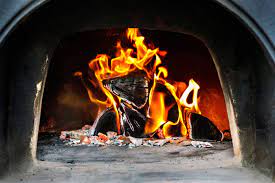
Not Seasoning the Wood Properly: If the wood is too wet, it will produce excess smoke and make it difficult to achieve high temperatures. Always use seasoned wood that’s been dried for at least 6-12 months.
Conclusion
The type of wood you choose for your pizza oven can elevate your cooking experience and dramatically influence the final product. Whether you prefer the bold smokiness of hickory, the subtle sweetness of applewood, or the steady heat of oak, each wood type brings something unique to the table.
Choose the best wood for pizza oven wisely based on your flavor preferences, cooking style, and the kind of pizza you’re making. Now that you have all the essential knowledge, it’s time to fire up your pizza oven and start cooking like a pro.